
The Rivers of Sidemen, Bali: Where Mountain Waters Meet Sacred Traditions
Discover the cool mountain rivers, volcanic landscapes and centuries-old traditions that make Sidemen one of Bali’s most extraordinary destinations.
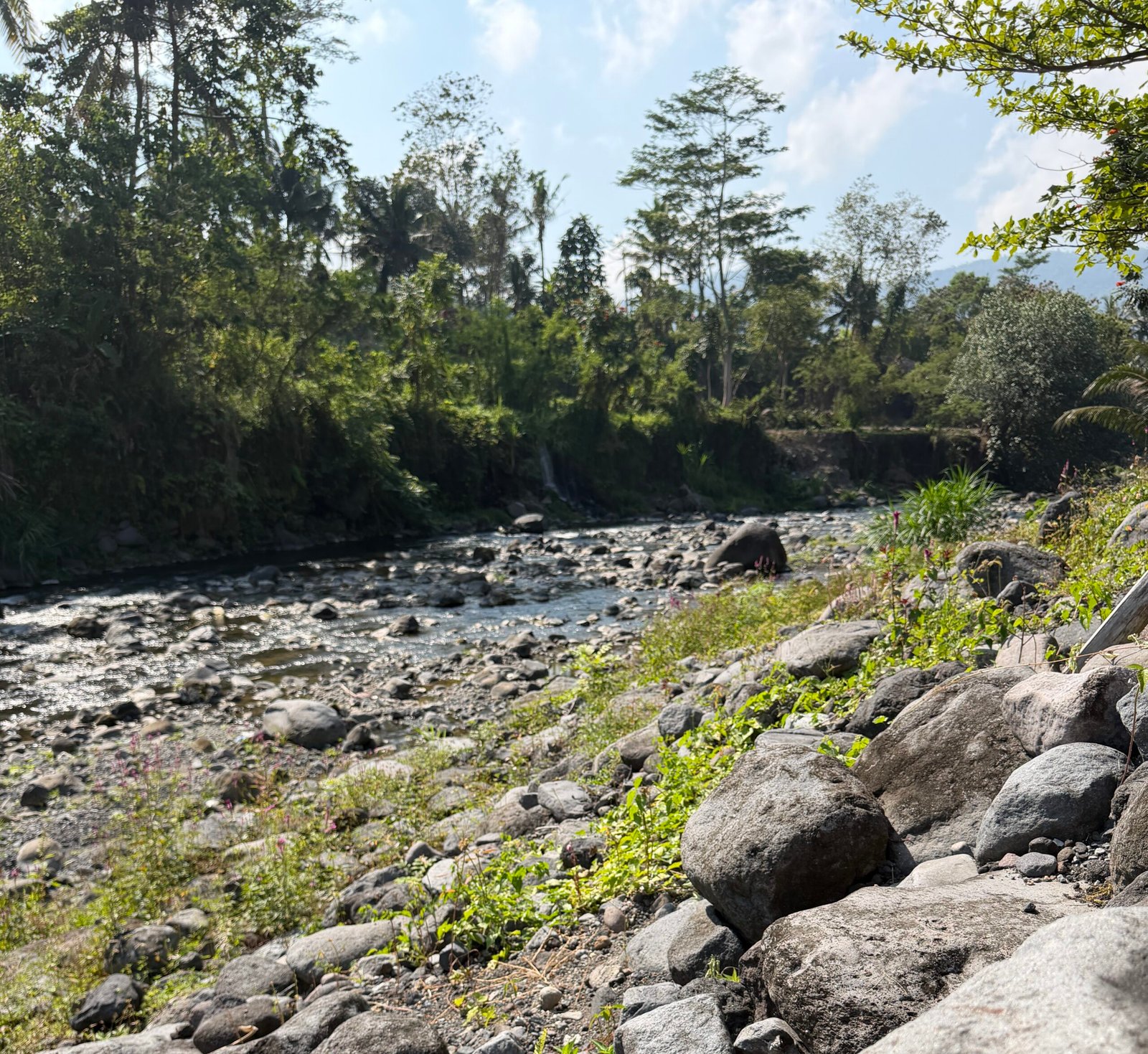
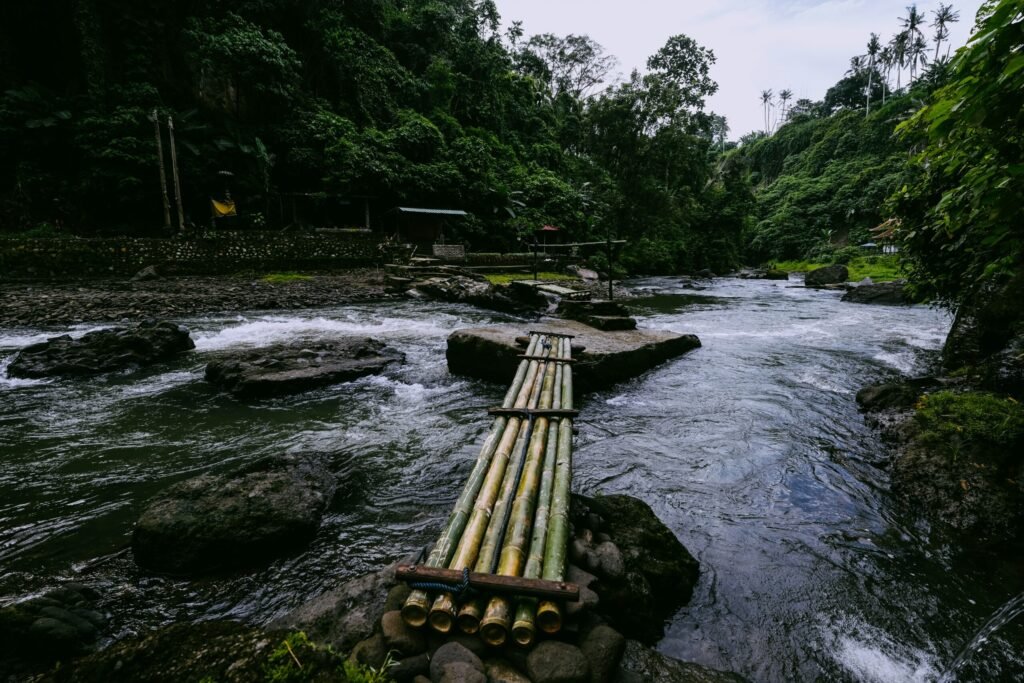
There is something magical about the sound of a river winding through a tropical valley. The gentle movement of water over smooth stones, the rustling of leaves overhead and the cool air rising from the riverbanks create a sense of calm that is increasingly difficult to find in Bali’s busier destinations.
In Sidemen, a beautiful rural valley in East Bali, rivers are more than part of the scenery. They have helped shape the landscape, sustain local communities and support agricultural traditions passed down through generations.
Fed by rainfall and mountain springs in Bali’s volcanic highlands, these waterways travel through lush valleys, rice terraces and traditional villages before eventually making their way towards the ocean.
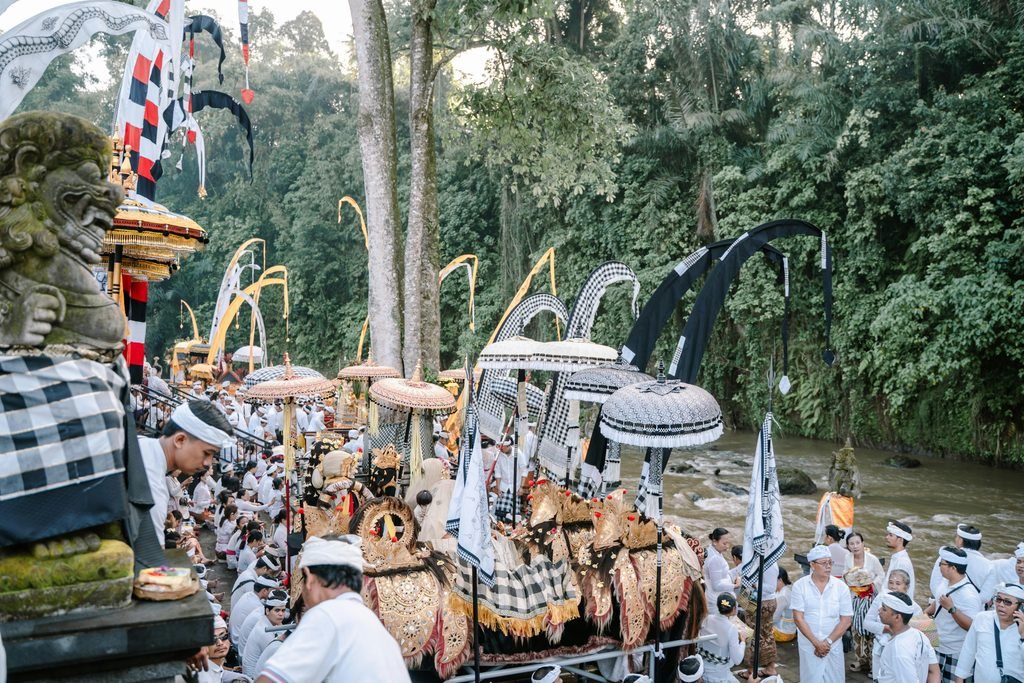
But their significance goes far beyond geography. In Balinese Hindu culture, water has profound spiritual meaning, connecting the natural environment with religious ceremonies, purification rituals and everyday life.
Understanding the rivers of Sidemen offers a fascinating glimpse into a side of Bali that many travellers never get to experience. For a broader introduction to the valley, read my guide to Sidemen and its slower pace of life.
Where Do Sidemen’s Rivers Come From?
To understand Sidemen’s spectacular landscape, you first need to look towards the mountains.
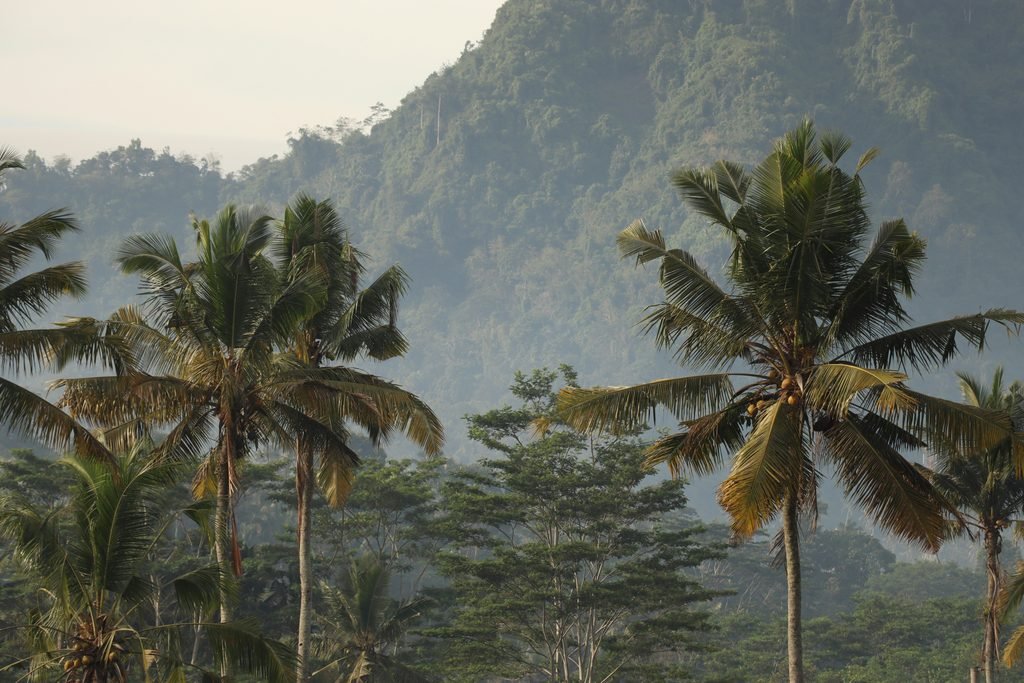
The towering presence of Mount Agung, Bali’s highest and most sacred volcano, dominates much of East Bali’s landscape. Alongside the surrounding mountains, its volcanic terrain plays an important role in the region’s natural water systems.
Rainwater filters through the mountainous landscape, replenishing underground water reserves and emerging in places as natural springs. Other rainfall flows directly into streams and rivers, gradually travelling downhill through the valleys.
Two important rivers associated with the wider Sidemen region are the Telaga Waja River and Tukad Unda.
The Telaga Waja River
Originating from springs around Mount Abang and the mountainous region near Mount Agung, the Telaga Waja River flows through East Bali’s dramatic volcanic countryside.
Its waters pass through the Rendang area and neighbouring valleys before continuing towards the coast in Klungkung Regency.
The river is especially known for its fast-flowing sections, rocky channels and spectacular scenery. It has become one of Bali’s popular white-water rafting destinations, offering visitors an opportunity to experience the region from an entirely different perspective. If you’d like to get out on the water, explore Telaga Waja rafting trips on GetYourGuide. There are also rafting and ATV combo experiences for anyone wanting a more adventurous day; check transport and the activity location, as the ATV portion may take place outside Sidemen.
Depending on rainfall, location and the season, its waters can appear beautifully clear, particularly in sections fed by mountain springs.
And because this water originates in higher, cooler elevations, it can feel wonderfully refreshing compared with Bali’s tropical coastal temperatures.
Tukad Unda: The River Shaped by Volcanoes
Tukad Unda is another important waterway in East Bali, closely connected with the region’s volcanic landscape.
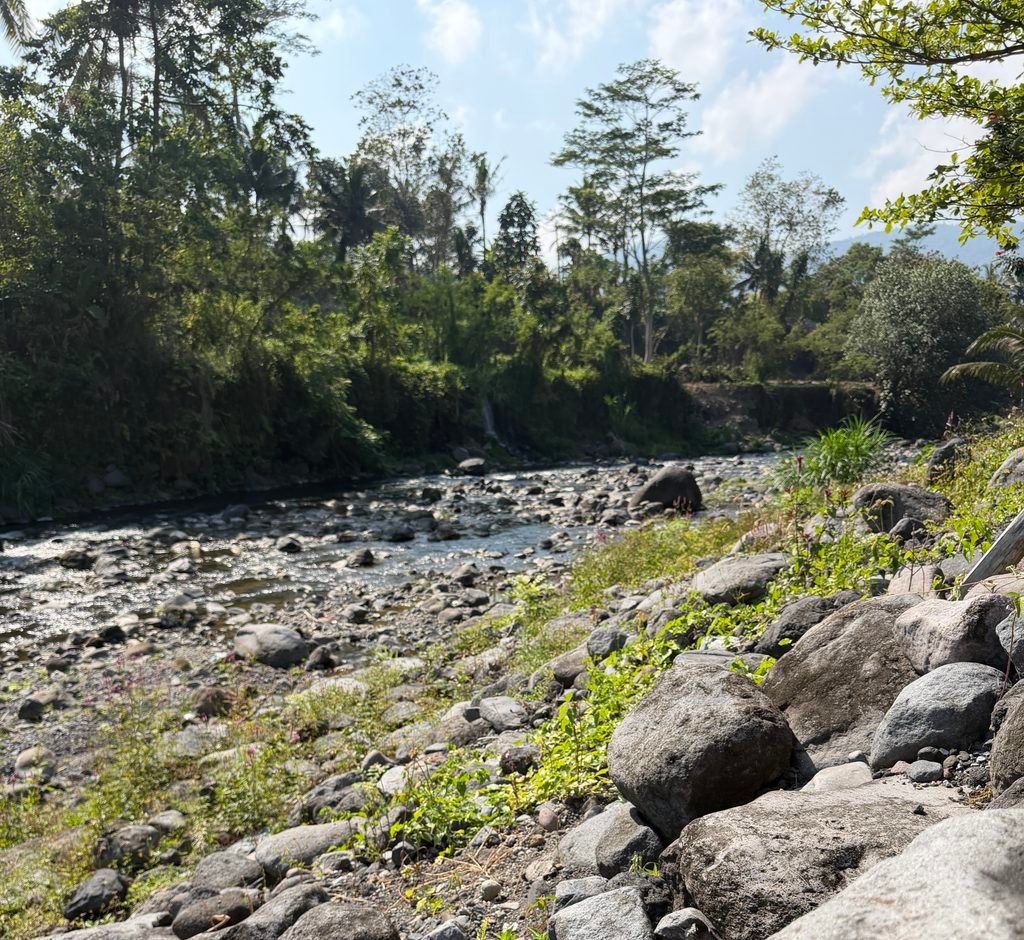
Rivers draining volcanic mountains carry a mixture of water, sand, stones and sediment downstream. Over time, these natural processes reshape riverbeds, build deposits and influence the surrounding landscape.
During periods of intense rainfall or volcanic activity, the river can carry significantly larger amounts of sediment. Mount Agung’s volcanic history has made these river systems particularly important pathways for volcanic material moving downhill.
This is one reason East Bali’s rivers can look dramatically different depending on when you visit.
On some days, the water may appear relatively clear. After heavy rainfall, the same river can become powerful, muddy and fast-flowing as sediment is washed downstream.
Far from being simply picturesque waterways, these rivers are part of a constantly changing natural landscape.
Why Are Sidemen’s Rivers So Cool?
One of the most refreshing experiences in Bali is spending time beside a cool mountain river after a hot tropical day.
The temperature difference comes down to several natural factors.
Water emerging from mountain springs is influenced by the temperature of the surrounding ground, while rivers travelling through shaded valleys may receive less direct sunlight than exposed coastal waterways.
Flowing water also mixes continuously, and deeper pools or shaded sections can remain cooler than shallow water exposed to the afternoon sun.
The result is a noticeably different environment from Bali’s beaches, particularly in forested areas where dense vegetation offers relief from the heat.
For visitors accustomed to Bali’s warm ocean temperatures, mountain streams can feel surprisingly cold.
Why Rivers Are Sacred in Balinese Culture
To understand the spiritual significance of Bali’s rivers, it helps to understand the role water plays in Balinese Hinduism.
Water is regarded as a source of life, renewal and spiritual purification. It is central to many religious ceremonies and deeply connected to the island’s traditions.
Sacred water, known as tirta, is used in blessings, temple ceremonies and purification rituals.
One of the best-known practices is melukat, a spiritual cleansing ritual performed with holy water. Depending on local traditions, these ceremonies may take place at temples, sacred springs or spiritually significant waterways. If you’re interested in understanding the practice respectfully, this guided Balinese water-purification experience on GetYourGuide includes offerings and a temple ceremony. It takes place at a designated temple elsewhere in Bali, rather than at an arbitrary river in Sidemen.
For participants, melukat is about more than washing the body. It is a religious practice associated with spiritual purification, prayer and renewal.
The Sacred Meeting of Rivers
In Balinese Hindu tradition, places where rivers meet can hold particular spiritual importance.
Known as campuhan, these confluences symbolise the coming together of different flows of water and may be associated with sacred sites and purification rituals.
However, not every river junction is a ceremonial site. The spiritual significance of an individual location depends on local beliefs, customs and temple traditions. For a more hands-on introduction to these beliefs, this East Bali offering-making workshop and temple blessing introduces visitors to canang sari alongside a local host. It’s a cultural experience in the wider region, not a ritual at Sidemen’s river confluences.
This distinction is important for travellers. A beautiful river or waterfall should not automatically be treated as a place to perform spiritual rituals.
Respecting local practices, seeking permission and understanding the significance of particular sites are all part of experiencing Bali responsibly.
How Rivers Helped Create Bali’s Famous Rice Terraces
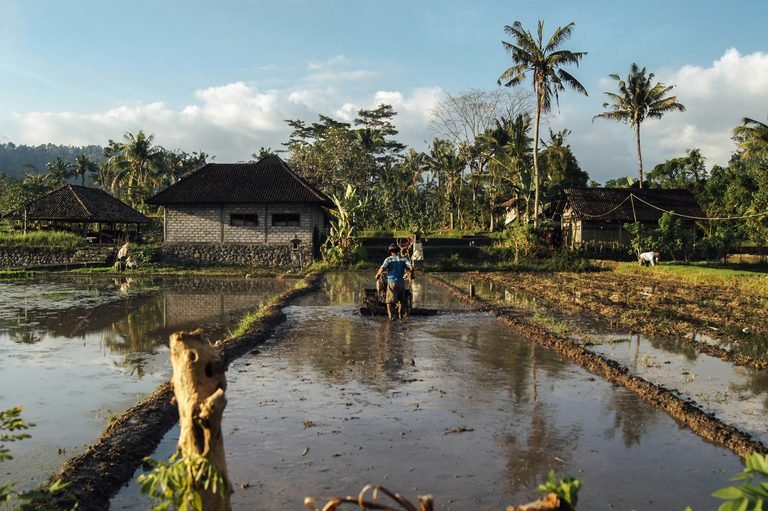
Look across the Sidemen Valley, and one of the first things you’ll notice is the extraordinary patchwork of rice fields stretching between the hills.
These landscapes are not accidental.
For centuries, Balinese farming communities have developed sophisticated methods of managing water, distributing it across agricultural land and ensuring crops receive the irrigation they need.
At the heart of this system is subak, Bali’s traditional cooperative irrigation system.
Rather than individual farmers controlling water independently, subak organisations coordinate how water is shared between interconnected rice fields.
Using channels, waterways and carefully managed irrigation structures, water is directed through the agricultural landscape.
This system is deeply connected to Balinese Hindu philosophy, particularly Tri Hita Karana, which emphasises harmony between people, nature and the spiritual world.
Bali’s subak cultural landscape received UNESCO World Heritage recognition in 2012, acknowledging the remarkable relationship between agriculture, water management, religion and community.
Although the UNESCO designation applies to specific landscapes rather than every rice terrace in Bali, the broader subak tradition remains an important part of agricultural life across the island.
So when you stand overlooking Sidemen’s emerald-green rice fields, you’re seeing much more than a beautiful landscape.
You’re witnessing the relationship between mountains, water, agriculture and Balinese culture that has developed over centuries.
Take a Guided Walk Through the Valley
One of the best ways to appreciate Sidemen’s waterways is on a guided countryside walk.
Local guides can take you through rice terraces, traditional villages and paths that follow streams or cross small irrigation channels.
Along the way, you’ll gain a deeper understanding of the landscape and the role water plays in local agriculture.
A knowledgeable guide can also explain which pathways are accessible, which areas are private farmland and which waterways hold cultural significance.
Early morning is particularly beautiful, when the air is cooler and the valley is often at its most peaceful.
Experience White-Water Rafting on the Telaga Waja River
For those wanting a more adventurous experience, the Telaga Waja River is one of East Bali’s best-known rafting locations.
Rafting trips travel through sections of tropical forest, rocky gorges and beautiful mountain scenery, offering a completely different perspective on the landscape. You can explore Telaga Waja rafting experiences on GetYourGuide, checking the departure point, age requirements and inclusions before booking. I also share what we spent on rafting in my Sidemen trip cost breakdown.
The river includes challenging rapids, so choosing an experienced, reputable operator and following its safety guidance is essential.
It’s an incredible way to experience the power of the water that has helped shape this part of Bali.
Find a Peaceful Spot Beside the Water
Not every experience needs to involve an organised activity.
Sometimes the greatest pleasure comes from simply sitting beside a flowing river and listening to the sounds of nature. Or staying right on the river at The River Island.
There is growing scientific interest in the potential wellbeing benefits of spending time in natural environments, including places near rivers, lakes and oceans. These environments are often described as blue spaces.
Research suggests that spending time in blue spaces may support relaxation, stress reduction and psychological wellbeing, although the effects vary and are not a substitute for medical treatment.
In Sidemen, the combination of running water, tropical vegetation and peaceful surroundings creates an ideal setting for slowing down.
Bring a book, find somewhere comfortable and allow yourself to enjoy a moment without an itinerary.
Can You Swim in Sidemen’s Rivers?
Swimming in a natural river can sound incredibly inviting, particularly on a hot day in East Bali.
However, not every river or natural pool is suitable for swimming.
Mountain-fed rivers can experience sudden changes in water levels and current, especially following rainfall in upstream areas. Water that appears calm at one moment can become dangerous if conditions change.
Riverbeds may also contain slippery rocks, unexpected drops or submerged obstacles, and clear-looking water is not necessarily safe from a hygiene perspective.
If you’re hoping to swim, ask your accommodation or a knowledgeable local guide about locations where swimming is permitted and conditions are considered suitable.
Avoid entering rivers during or after heavy rain, and never assume that a popular photography location is a safe swimming spot.
Why Sidemen’s Rivers Are Worth Protecting
As tourism continues to grow in East Bali, protecting the landscapes that make Sidemen special becomes increasingly important.
Rivers support local agriculture, wildlife, communities and the wider environment. They also form part of the cultural traditions that make Bali so distinctive.
For visitors, responsible travel can be as simple as avoiding litter, respecting private agricultural land, staying away from ceremonial areas unless invited and choosing local guides who understand the region.
It also means remembering that the rivers are not simply attractions created for visitors.
They are living waterways, and local communities depend on them.
Discovering a Different Side of Bali
There is a reason so many travellers describe Sidemen as the Ubud of 15 years ago.
It’s not simply the beautiful rice terraces or the absence of heavy traffic. It’s the feeling of being somewhere that hasn’t completely rearranged itself around tourism.
Life here still follows the natural rhythms of the countryside.
The mountains collect the rain, springs feed the streams, rivers flow towards the coast, and water makes its way through agricultural landscapes that have supported generations of Balinese families.
And while visitors may come for the spectacular scenery, it’s often these quieter connections with nature that leave the greatest impression.
You don’t need to climb a mountain or book an elaborate excursion to appreciate what makes Sidemen special.
Sometimes all it takes is a walk through the valley, the sound of cool water moving over stones and a few quiet moments beneath the trees.
Because the Bali you dream about is still here. Sometimes you simply have to follow the rivers to find it.
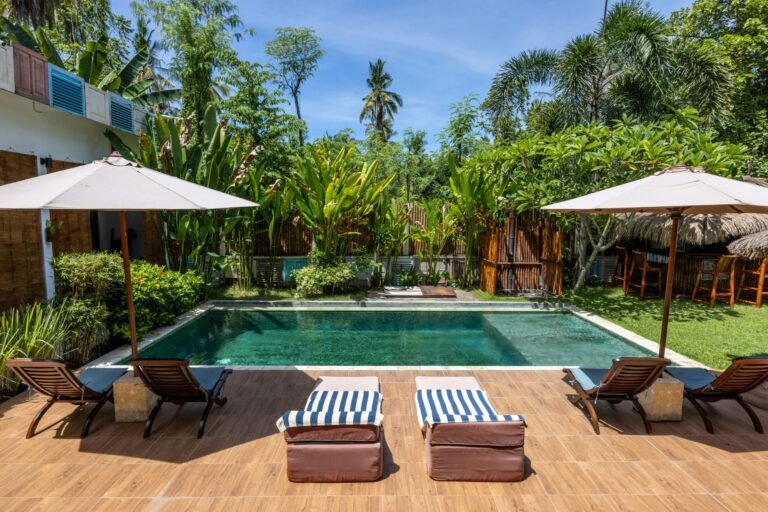
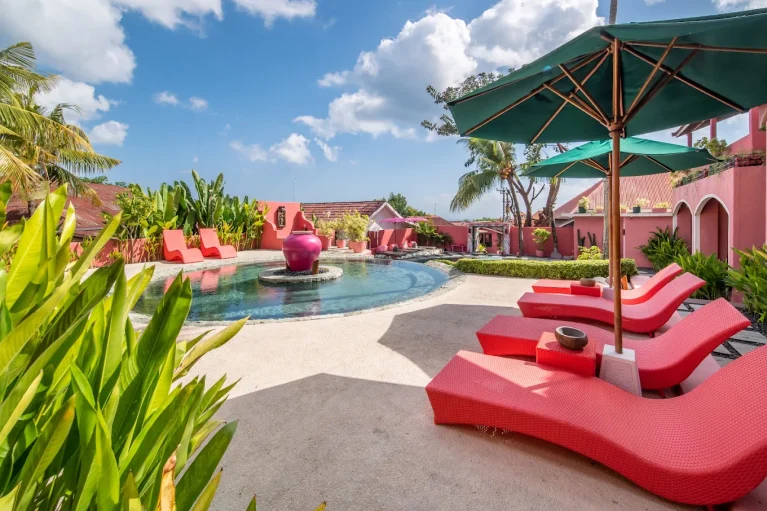
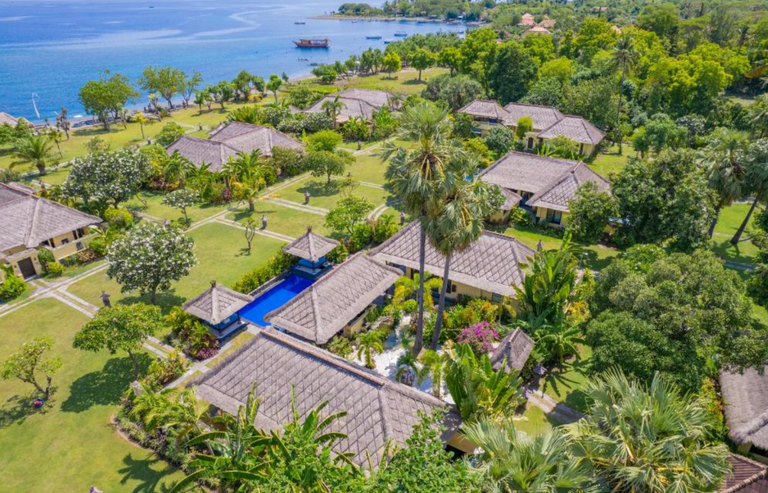
My favourite hotels in Sidemen.
⭐️⭐️⭐️⭐️⭐️ Wapa di Ume Sidemen – Click here for Prices & Availability
⭐️⭐️⭐️⭐️ Devani Resort Sidemen – Click here for Prices & Availability
⭐️⭐️⭐️ Uma Agung Villa – Click here for Prices & Availability

2 Comments
Comments are closed.