

Bali Belly: What I Personally Do to Avoid Losing Days of My Holiday
Bali belly is one of those things everybody worries about before coming to Bali, and after living and travelling here, I’ve definitely developed my own approach to trying to prevent it — and dealing with it quickly if I feel something coming on.
This is purely based on my own experience and what works for me. It is not medical advice.
For me, the biggest thing is actually starting before Bali belly happens.
I think travel can really knock your body around. You’re dealing with long flights, disrupted sleep, dehydration, airports, aeroplanes, crowded spaces, different food and often a lot more alcohol than you would normally drink at home.
So my first priority is always supporting myself as much as possible.
Hydration and rest come first
Bali is hot, humid and incredibly easy to underestimate.
I make a conscious effort to keep my fluids up, particularly during the first few days when I’m adjusting to the heat.
And while nobody flies to Bali to spend their holiday sleeping, I do think rest matters.
If I’ve had a long travel day, poor sleep and I’m already feeling run down, I don’t immediately launch into ten activities, cocktails by the pool and a huge dinner.
Sometimes the smartest thing you can do is slow down for a day and let your body catch up.
I start thinking about hygiene before I even arrive
For me, preventing Bali belly doesn’t start when I walk out of Denpasar Airport.
It starts at the airport at home.
I’m conscious about washing my hands when travelling, particularly after bathrooms, security areas, shared transport and before eating. I want to stress here that I am not a germ phobe, I think exposure to viruses and bacteria are important for building a strong immune system. Just not on my hard earned holiday!
The same applies on the plane and when I’m moving through really busy, high-density areas.
Once I’m in Bali, I continue doing the same thing.
Nothing obsessive — just good basic hygiene.
I like to support my gut before travelling
Another thing I personally do is start taking probiotics before travelling and continue them while I’m away.
For me, this is simply part of supporting my gut health before I throw completely different food, water, sleep patterns and routines at my body.
Again, that’s just what I personally choose to do.
If I feel something starting, I act quickly
One thing I’ve learned is that I don’t like waiting until I feel absolutely terrible before doing something.
At the first sign that my stomach isn’t happy, I slow everything down.
I rest.
I start pushing hydration and electrolytes.
And personally, I use activated charcoal early.
That’s something I always keep with me in Bali because it’s part of my own routine when I feel digestive symptoms starting.
If you take medication, though, it’s worth checking with a doctor or pharmacist before using charcoal because it can interfere with the absorption of some medicines.
I also don’t wait forever to get medical help
This is probably the biggest lesson I’ve learned.
If I’m getting worse rather than better, particularly if I’m struggling to keep fluids down or becoming really dehydrated, I don’t try to be a hero.
I get medical help.
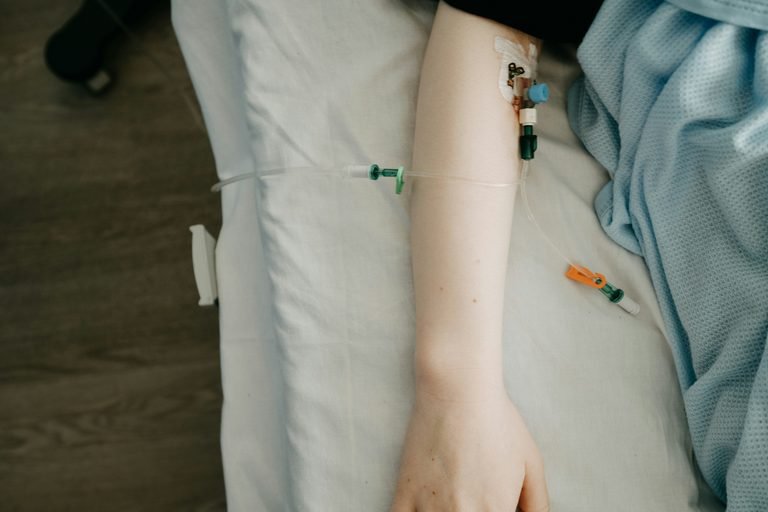
And if I need IV hydration, I get it.
In my experience, dealing with dehydration quickly can make an enormous difference to how I feel and how quickly I get back on my feet.
I would much rather lose a couple of hours of my holiday getting properly looked after than spend three or four days lying in a hotel room because I waited too long.
My Bali belly approach is basically this
Support your body before you arrive.
Hydrate.
Rest.
Wash your hands.
Look after your gut.
And if something starts going wrong, deal with it early rather than pretending it isn’t happening.
Bali belly doesn’t have to mean losing half your holiday.
And while there’s obviously no way to guarantee you’ll avoid it completely, these are the things that personally help me feel much more prepared whenever I’m travelling in Bali.
Important: This article shares my personal experience only and isn’t medical advice. If you’re very unwell, have severe symptoms, can’t keep fluids down, or are concerned about yourself or your child, seek medical care.





One Comment